




























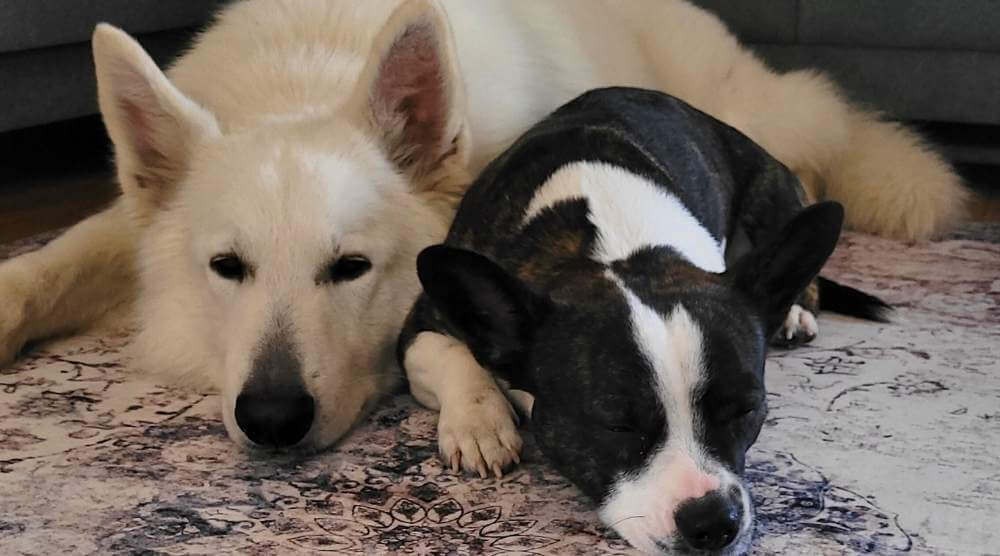

A dynamic sprint across the living room chasing a thrown ball, a joyful welcome after getting home from work, or a rest after a long hike - the presence of a four-legged friend brings loads of positive energy into an apartment. However, anyone whose home includes a dog knows perfectly well that four paws also mean specific logistical challenges. Mud brought in from a fall walk, omnipresent sand, shed fur, and uncontrolled slides across smooth panels can sow doubt in the heart of anyone who loves aesthetically pleasing interiors.
Many pet owners ask themselves: do pets rule out stylish textiles on the floor? Is the only solution to give up soft accents in favor of bare tiles? The answer is: absolutely not! You just need to know which rug to choose for a home with a dog to gain both a striking, cozy interior and full comfort for your four-legged companion. The right rug isn’t a whim - it’s a key furnishing element that protects a dog’s joints from injury and cushions steps while creating a warm atmosphere in the living room or bedroom.
Pile height matters - why are shaggy rugs a risky choice?
When considering which rug to choose for a space where pets live, first look at the pile construction. Plush, high-pile shag rugs are tempting for their softness, but when faced with claws and undercoat they prove less functional. Long-pile rugs act almost like a dense filter: fine dirt, crumbs, dust, and hard-to-remove pet hair work their way in. Worse, it’s best to avoid long fibers and loose loops in a rug’s structure - the latter can catch on a running pet’s claws, risking a painful torn toe and irreparable damage to the textile.
Models with short pile or variants with a compact pile are definitely a better direction. Short pile makes removing hair from the rug easier, because the pet’s fur doesn’t migrate deep into the backing but stays on the surface, where it can be quickly vacuumed up. Short-pile rugs are easier to vacuum and clean, and the lack of fluffy space means short pile doesn’t permanently accumulate dirt and hair.
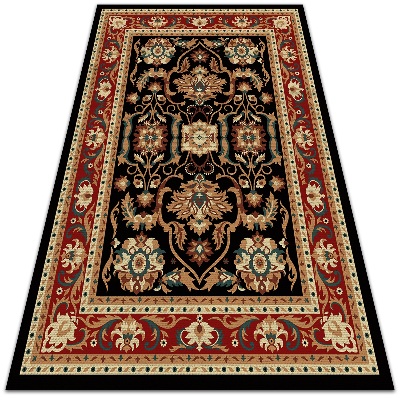
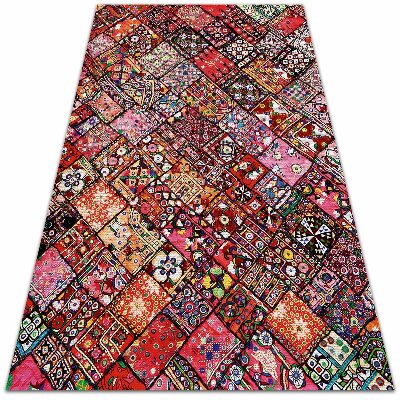
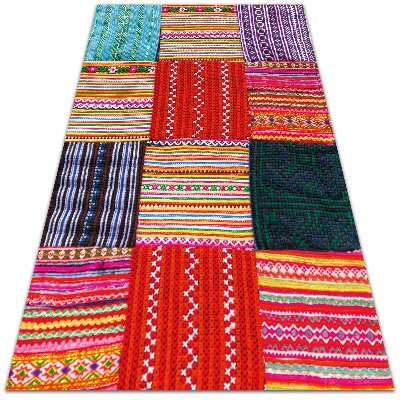
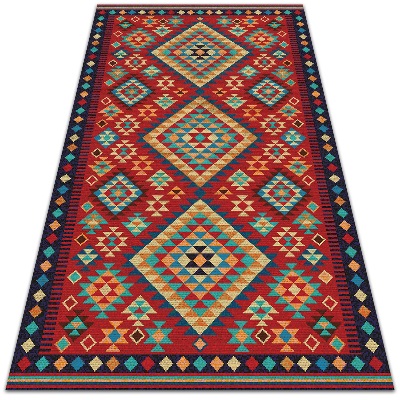
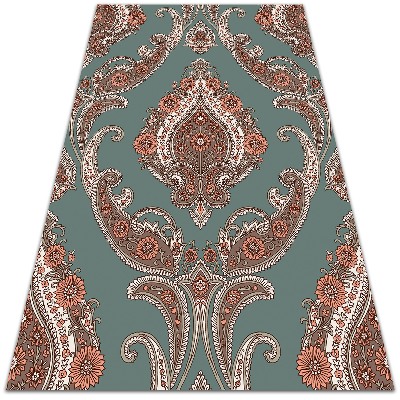
A true hit among informed pet owners is the flatweave rug (also called flat-woven). Its unique characteristic lies in a dense weave without a traditional upright pile:
No risk of snags: A flat-woven rug has no high pile, which reduces the risk of snagging on a dog’s claws or a cat romping nearby.
Resistance to heavy wear: The dense surface makes flat-woven rugs easier to maintain, they don’t get crushed under the weight of paws, and they handle everyday use extremely well.
Easy care: Flatweave rugs are easy to vacuum and wash - they are undoubtedly a practical model that looks fresh and modern in contemporary arrangements.
The best rug: polypropylene, polyester, or wool?
The material a rug is made from determines its durability, liquid absorption, and susceptibility to stains. Although natural textiles are associated with luxury, a home shared with a four-legged friend follows slightly different rules.
Traditional wool rugs have natural antibacterial properties, regulate humidity very well, and bring a refined coziness to a room. However, wool’s natural pile can be absorbent - a spilled liquid or a young puppy’s accident can quickly soak deep into the fibers. Wool dries slowly and can trap odors, which makes removing tougher stains time-consuming.
For this reason, there’s a shared view among behaviorists and decorators: synthetic rugs are the best choice for homes with dogs. Why do synthetic fibers work best?
Polypropylene: Extremely resistant to moisture, stains, and chemicals; it does not absorb liquids. The fibers don’t take on mud stains, and unpleasant odors don’t penetrate deep into the material’s structure.
Vinyl rug: Soft to the touch, resilient, fade-resistant, and easy to clean. It excellently imitates natural fibers while maintaining high resistance to dirt.
Nylon (Polyamide): Exceptionally elastic, resistant to abrasion and crushing. It’s a highly durable material that stands up to intensive use in high-traffic areas.
Synthetic rugs are exceptionally easy to clean - their fibers don’t absorb odors or spilled liquids as easily as organic raw materials. Moreover, modern technologies make synthetic rugs easy to clean and resistant to dirt, creating a barrier that gives you time to react calmly and blot up the spill with a paper towel.
Which rug to choose: colors, patterns, and visual tricks
The floor’s aesthetics don’t have to suffer because of a pet, but when planning your arrangement, it’s worth using a few proven visual tricks. When choosing a rug, it’s good to remember that a uniform surface immediately reveals every stray tuft.
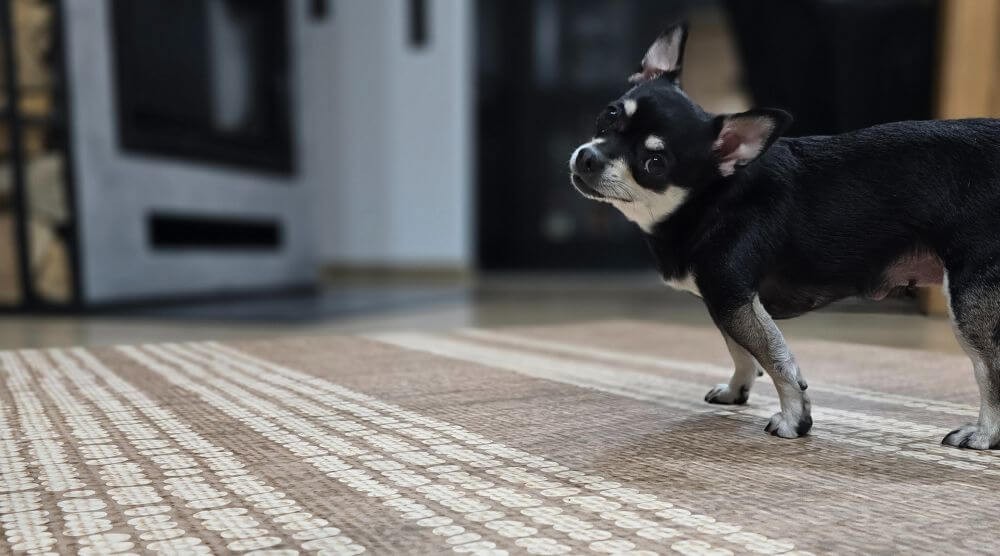
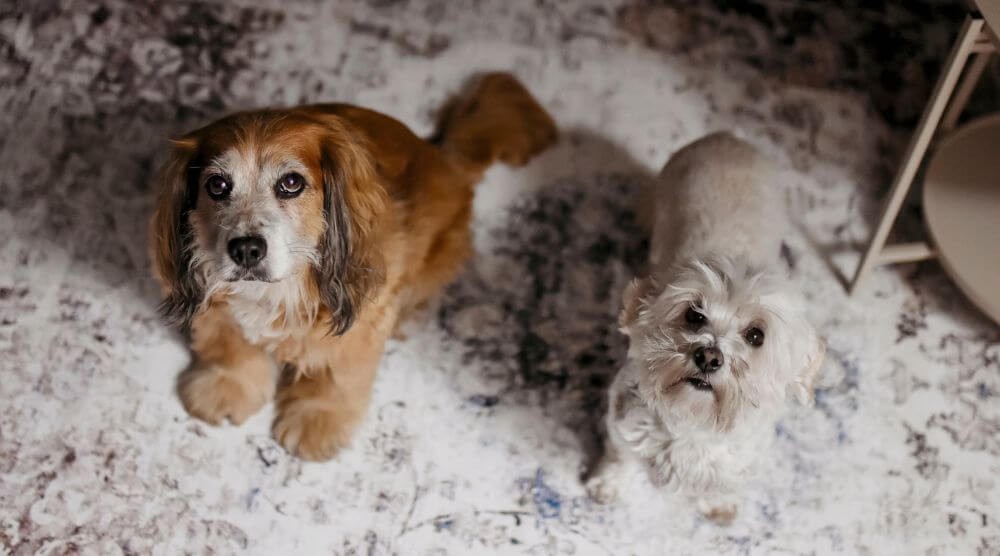
Extremes are rarely a hit. A snow-white, smooth, light rug quickly shows dirt and requires frequent cleaning, especially when fall weather prevails outside and a dog brings a damp residue into the room after a walk. Conversely, a solid, deeply dark rug will mercilessly highlight every light hair and tiny grain of dried sand. The rule is simple: the rug color should be similar to your dog’s coat color to mask dirt.
To keep maximum peace of mind and an immaculate look in the room, the following work perfectly:
Earth tones and grays: Rugs in shades of beige and gray are a universal base. Variegated melanges in these tones make small dirt practically invisible to the eye. Darker accents and subdued colors protect the room’s visual cohesion much better.
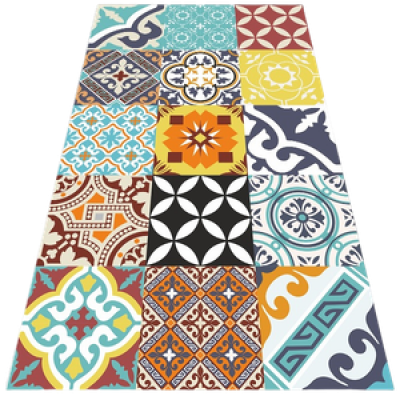
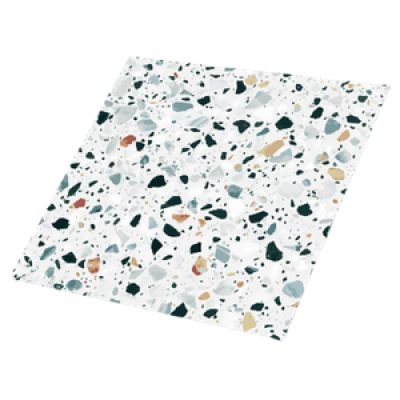
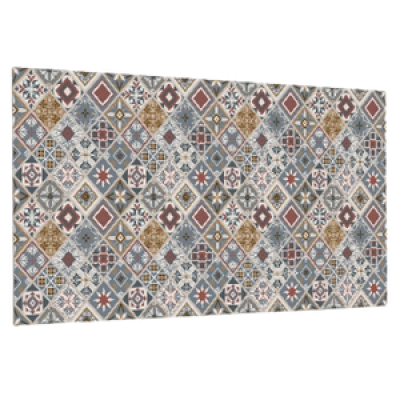
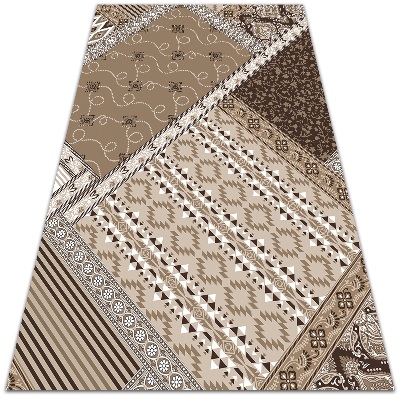
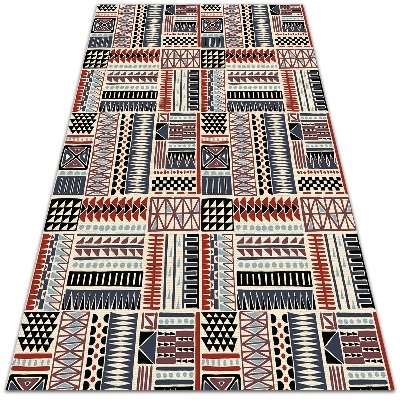
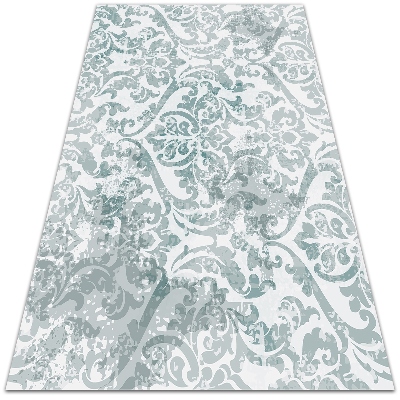
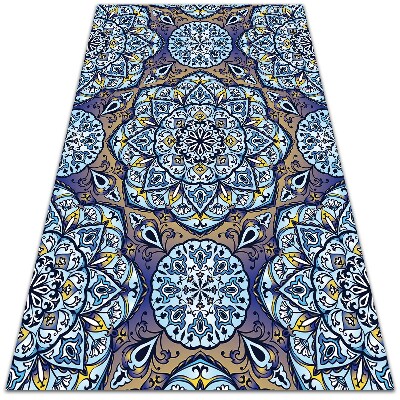
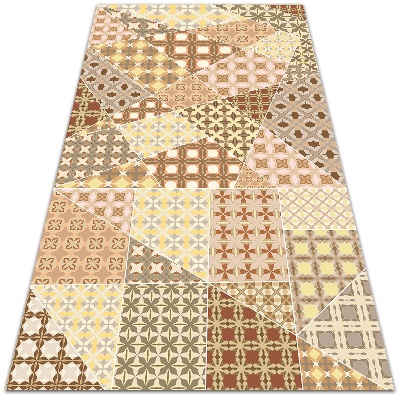
Dynamic pattern: Geometric compositions, Moroccan motifs, or vintage-inspired designs effectively disperse light. Geometric patterns on rugs help hide dirt and possible stains, drawing attention away from small imperfections.
Modern accents – vinyl rugs: In zones particularly exposed to moisture, splashes from bowls, or tracked-in mud in the entryway, vinyl rugs are an excellent fit. These materials don’t have a traditional pile, don’t trap hair, and are easy to care for and resistant to dirt. Simply wipe them with a damp mop to restore a pristine look, making them an interesting, design-forward complement to a modern apartment.
Safety first - non-slip backing and canine joints
For a four-legged household member, a rug is not just a decorative element - it’s above all a safe island in a sea of slippery panels, vinyl, or porcelain tile. Young dogs in the heat of play and senior dogs struggling with joint degeneration have difficulty maintaining stability on slick floors. An uncontrolled slip can result in painful muscle strains, torn ligaments, or worsening hip dysplasia.
That’s why in every home where a pet is present, a non-slip backing plays a key role:
Provides stable support for a dog’s paws during takeoff and braking.
Protects the animal’s joints and spine from micro-injuries.
Prevents dangerous bunching of the material while running.
Increases the durability of the rug itself by eliminating friction against the substrate.
When laying a lightweight runner on the floor without a factory rubberized layer, it’s worth purchasing a special anti-slip mesh or pad. Such an underlay keeps textiles stable in place even when a many-pound pup takes a sharp turn in pursuit of a favorite toy. An integrated latex or rubber backing guarantees that you gain not only a durable material, but above all a safe space for all household members.
How to care for a rug?
Even the best rug requires a proper and well-thought-out care routine to stay fresh for many years. Choosing a rug made from durable material is only half the success - the other half is smart maintenance.
Vacuuming routine - the foundation for fighting allergens and compacted fur is regular vacuuming. A regular flat nozzle often merely glides over the pile. Much better results come from systematic vacuuming with a good turbo brush or powerhead with a rotating roller, which effectively combs the fibers and pulls out embedded undercoat.
Quick response to stains - when food scraps or mud from paws land on the rug, react immediately.
A home open to paws and good style
Keeping things tidy in an apartment with a four-legged friend doesn’t have to mean constant frustration or a stark, warmth-free minimalism. Although reconciling a dog’s temperament with an immaculate design is often called quite a challenge, using the right solutions completely changes the perspective. By choosing practical solutions, you gain a harmonious, cozy interior in which both you and your four-legged companion will feel completely at ease.